


- July 12, 2024
- By admin
- Residential
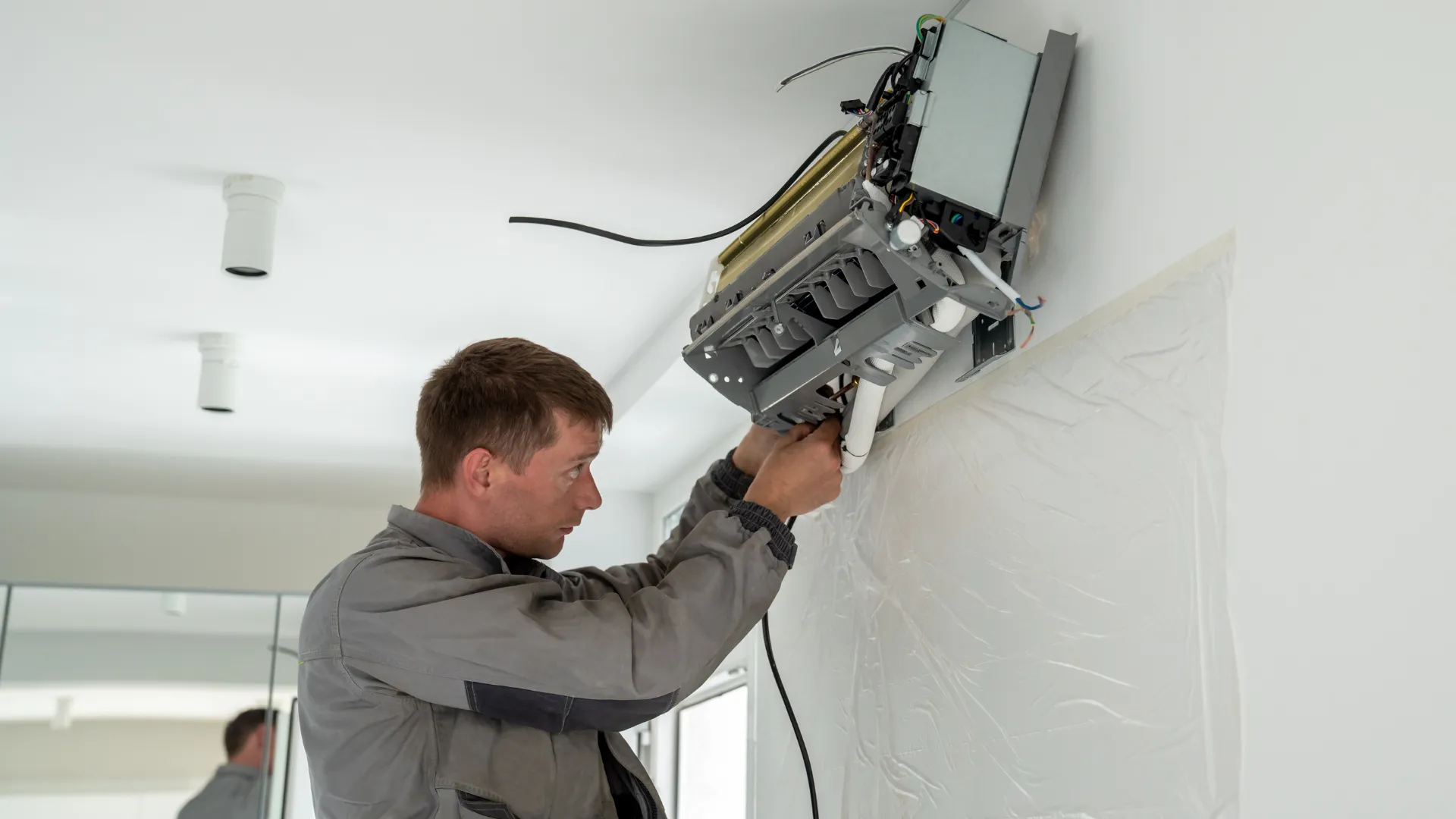
Diagnosing issues with your air conditioner (AC) doesn’t always require professional help. Sometimes, with a little troubleshooting, you can identify and even fix minor problems on your own. This DIY approach can save you both time and money. In this article, we’ll explore some common AC problems and provide step-by-step instructions on how you can diagnose them without needing to call in a technician.

Understanding Your AC System
Before troubleshooting, it’s crucial to have a basic understanding of your AC system. Most residential systems are split into two main parts: the indoor unit, which typically houses the evaporator coil and blower fan, and the outdoor unit, which houses the compressor and condenser coil. These components work together to remove heat from your home and blow cool air through your ducts.
Common Symptoms and Solutions
- The AC Isn’t Turning On
- Check the Thermostat: Make sure it’s set to “cool” and below the current room temperature. If it’s a programmable thermostat, ensure it has fresh batteries.
- Inspect the Circuit Breaker: Sometimes, the breaker associated with the AC might have tripped. Locate your breaker panel and ensure the AC’s breaker is in the ON position.
- Examine the External Unit: Overgrown grass, leaves, and debris can hinder your outdoor unit’s performance. Clear any debris around the unit to ensure it’s not obstructed.
- The AC is Blowing Warm Air
- Check the Air Filter: A clogged air filter restricts airflow, severely reducing efficiency. If the filter looks dirty, replace it with a new one.
- Inspect the Thermostat: Again, make sure it’s set correctly. A simple missetting can cause your AC to blow warm air.
- Check the Outside Unit: A dirty condenser can also lead to efficiency issues. Make sure the area around your condenser is clear, and the fins are not bent or dirty.
- The AC is Making Strange Noises
- Squealing or Screeching: This might indicate a problem with the belt or motor bearings. Check if the belt is slipping or if lubrication is needed.
- Banging or Clanking Sounds: These sounds can mean a loose part inside the AC unit. Secure any loose components you can access safely.
- Clicking Sounds When Starting or Stopping: This is usually normal, but continuous clicking might be a sign of a defective relay.
- The AC Shuts Off Randomly
- Check the Thermostat: Again, thermostat issues can cause the AC to turn off unexpectedly. Make sure it’s not located in a spot where it might read the wrong temperature.
- Inspect the Condenser Unit: Make sure it isn’t overheating. Trim any shrubs or plants that might block airflow to the unit.
- Examine the Evaporator Coil: If your evaporator coil is frozen, it could cause the unit to turn off. Make sure there’s adequate airflow; replace the filter if you haven’t done so recently.
- Water is Leaking from the AC
- Check the Drain Pan and Tube: The drain pan can overflow if the drain tube is blocked. Clean out any obstructions in the tube with a vacuum or a plumber’s snake.
- Inspect the Pump: If your unit has a pump that expels water, make sure it’s functioning correctly. A malfunction can cause water to accumulate and leak.
Tools You Might Need
For most basic checks and repairs, a few household tools will suffice:
- Screwdrivers
- Replacement filters
- Vacuum cleaner with a hose attachment
- Garden hose for cleaning fins
- Rags for cleaning
Conclusion
With these tips, you can often diagnose and even resolve common AC issues without needing to call in a technician. Regular maintenance, such as changing filters and clearing debris from around the unit, can prevent many problems from developing in the first place. However, if you encounter complex issues or if the AC still isn’t functioning correctly after your troubleshooting efforts, it might be time to call a professional. Remember, tampering with your AC can void warranties or lead to more severe problems if not handled correctly.